June 25, 2026
Understanding a CNC machining service is crucial for acquiring precision-crafted metal parts. In today's fast-evolving technological landscape, finding the right CNC machining service can be instrumental in ensuring the success of your project. This article provides a comprehensive guide, exploring everything from understanding CNC machining basics to evaluating service providers and considering technological advancements.
The demand for CNC machining is growing, driven by industries such as aerospace and automotive where high precision is a necessity. According to Technavio's 2025 machining services report, the CNC sector is expected to grow at a 4.7% CAGR through 2029, fueled by these industries' relentless need for precision components. Choosing the right service provider, therefore, becomes critical in ensuring the integrity and quality of the metal components projects require.
By assessing project requirements, evaluating reputable service providers, analyzing cost considerations, and understanding the role of technology, businesses can make informed decisions. Each of these elements plays a significant role in selecting a CNC machining service that consistently delivers on quality and efficiency. This guide delves into these crucial aspects to equip readers with the knowledge needed for high-stakes business decisions.
Understanding CNC Machining
Definition and Basics
CNC machining stands for Computer Numerical Control machining. It is a manufacturing process in which computer software dictates the movement of factory tools and machinery. Unlike traditional manual machining, CNC offers automated control which enhances the precision and efficiency of the production process. CNC machines are designed for complex tasks that would be difficult with manual labor, making them indispensable in producing intricate metal parts. Understanding these fundamentals helps in appreciating the technical capabilities and limitations of CNC machining.
Automation in CNC allows for consistent and repeatable production cycles, ensuring each manufactured part aligns with tight specifications. This precision is particularly important in industries like aerospace and automotive, where even minor deviations can lead to significant issues. The process begins with designing CAD models, followed by setting up CAM (Computer-Aided Manufacturing) software to guide the machines in material cutting, drilling, and shaping. Such automation not only reduces human error but also increases production speed and efficiency.
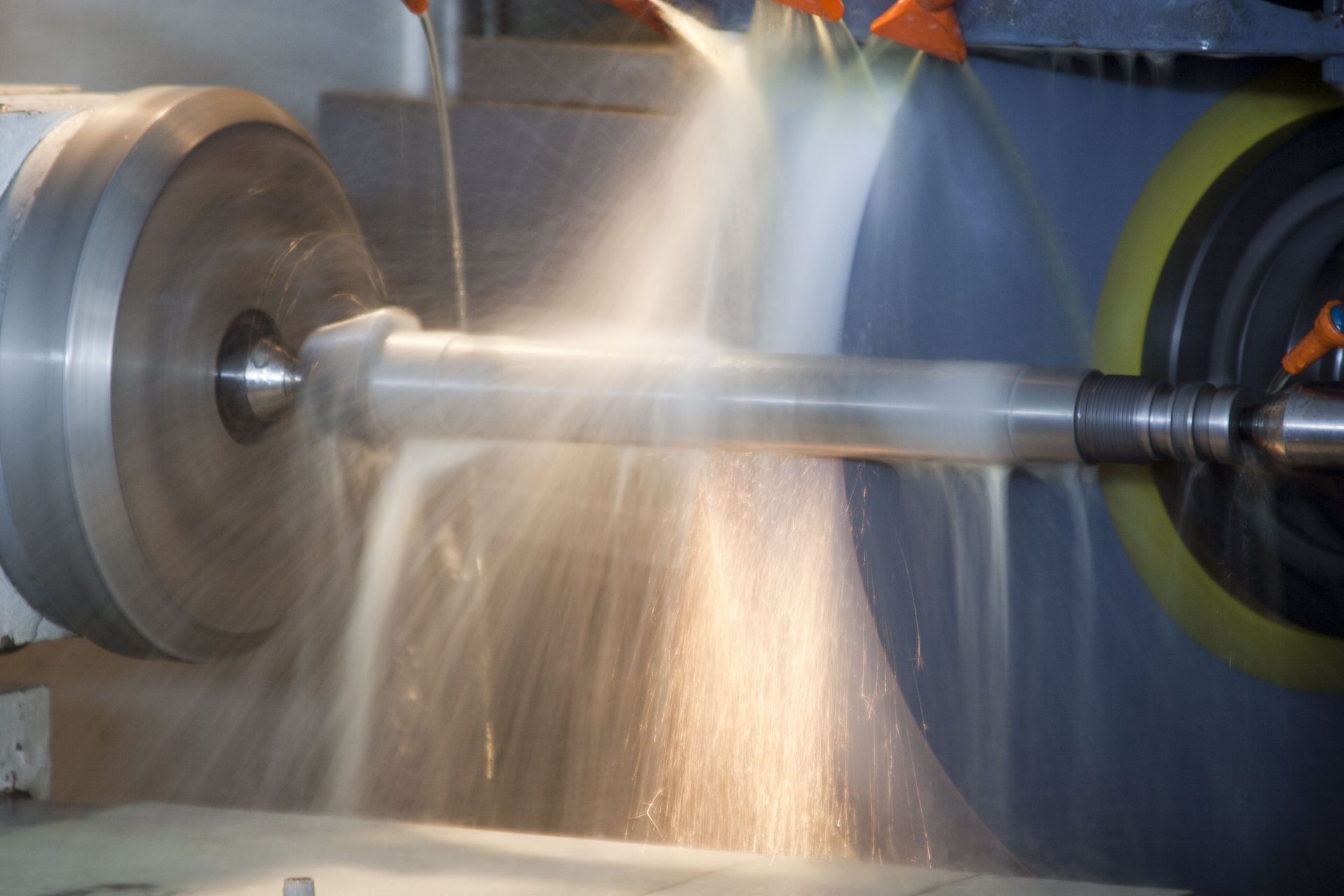
CNC machines operate with a vast array of instruments, from lathes and mills to routers and grinders. The diversity of tools contributes to the machines' versatility, allowing them to handle various manufacturing tasks with minimal downtime. Moreover, CNC machining facilitates a controlled environment for manufacturing, decreasing the likelihood of defects while increasing output consistency and quality. This level of control and adaptability makes CNC machines a preferred choice for businesses seeking reliable and superior material-processing capabilities.
Types of CNC Machines
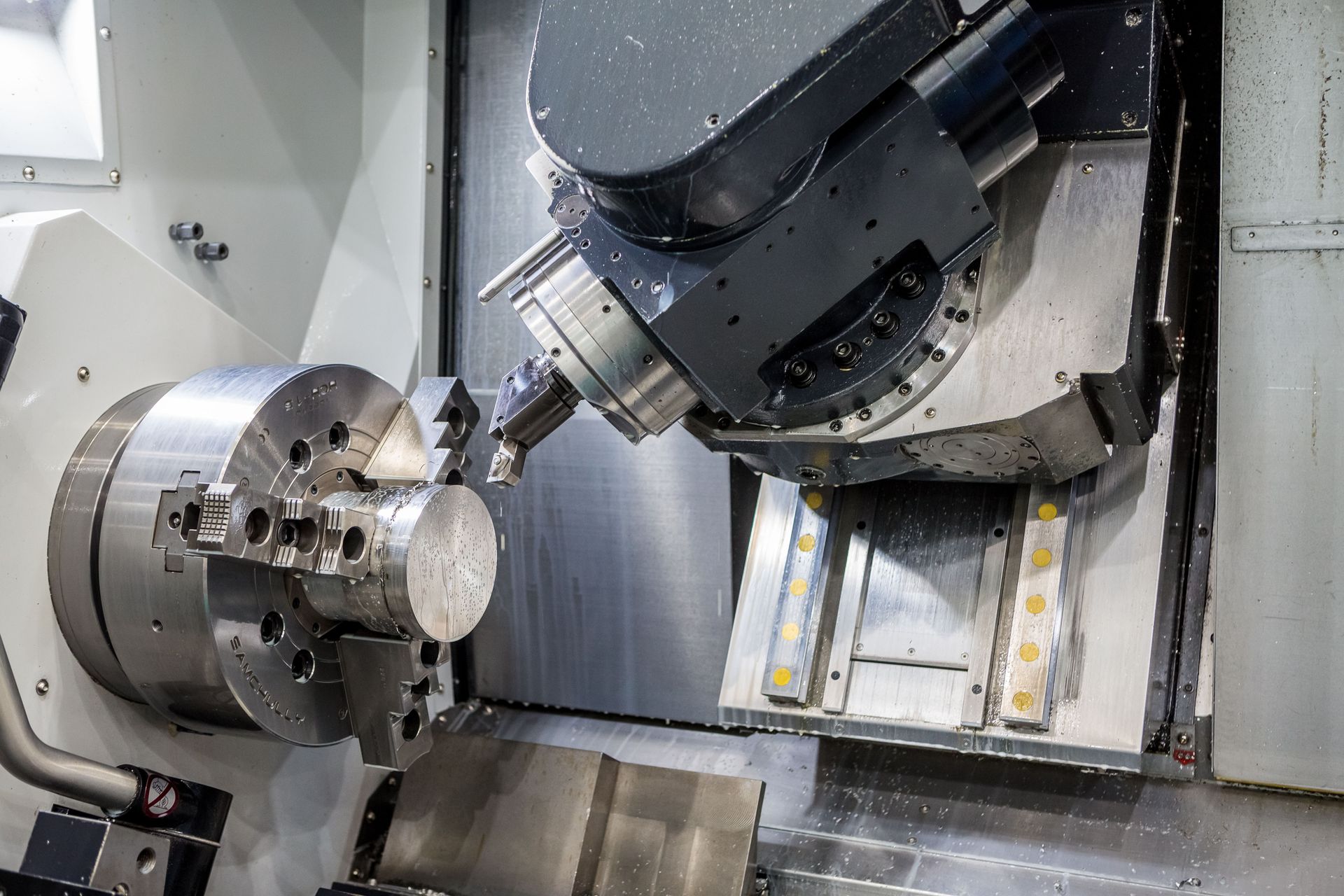
Among the various types of CNC machines, CNC mills are among the most commonly used. They use rotary cutting tools to remove material from a workpiece following a CAD/CAM-created path. CNC mills are highly versatile, enabling the manufacture of intricate parts that require precision and complexity in design. Besides CNC mills, CNC lathes are another popular variant. Unlike milling machines that use rotating cutting tools, lathes spin the workpiece to perform operations like cutting, sanding, and drilling.
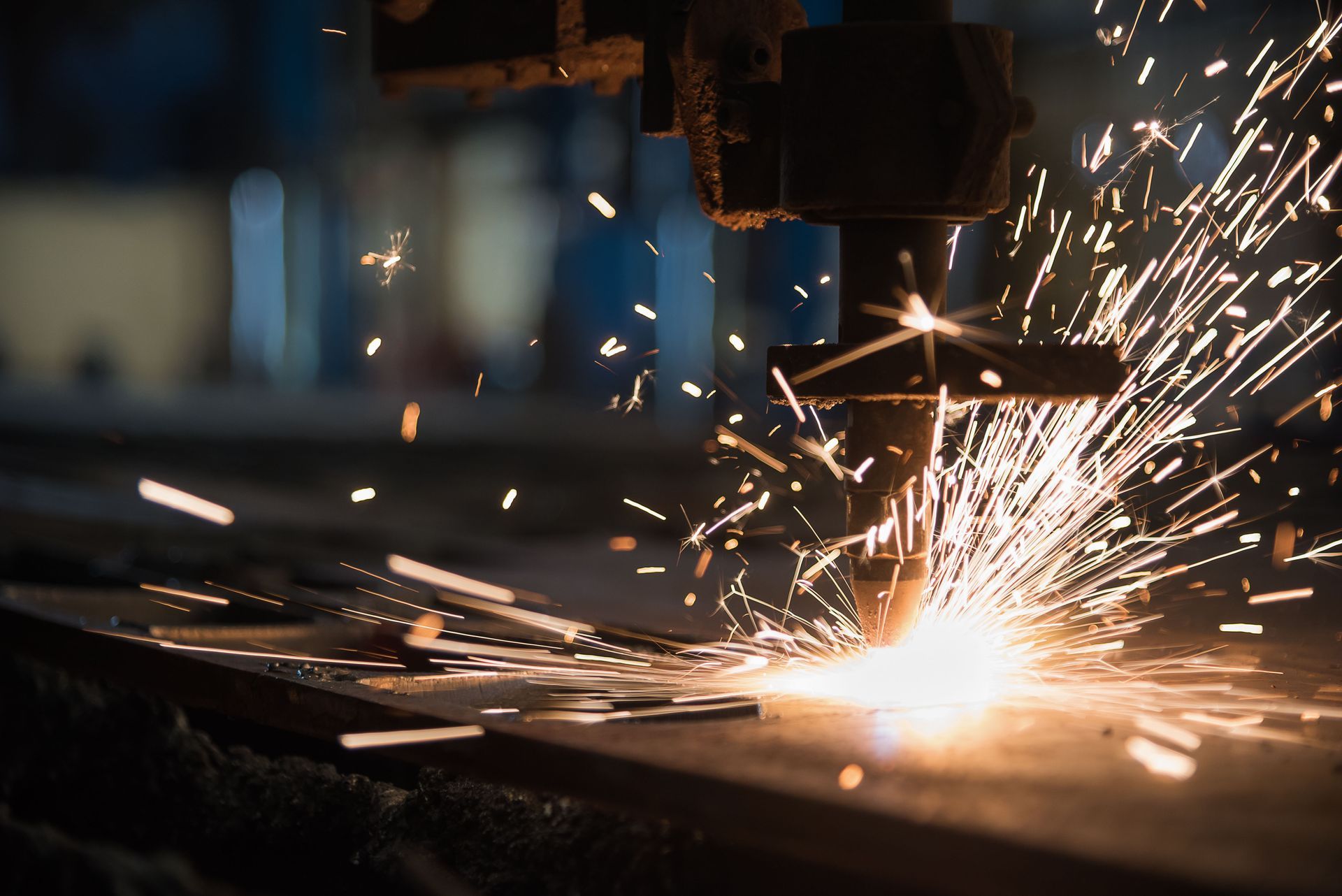
The range of CNC machines extends to routers, plasma cutters, and even electric discharge machines (EDMs). CNC routers are similar to mills but primarily work on softer materials such as wood, plastics, and foam. Plasma cutters utilize a high-temperature plasma arc to cut materials, particularly metals, with extreme precision. EDMs, on the other hand, use electrical charges to shape materials, often employed in mold-making for die-castings or injection molding processes.
Choosing the right CNC machine depends on various factors, including the material type, the intricacy of the part, and the desired production volume. Each CNC machine has its strengths and limitations, so understanding these attributes ensures that the right machine is used for the task at hand. Furthermore, providers with a diverse array of CNC machines can offer more tailored solutions to meet specific project needs and requirements.
Materials Used in CNC Machining
A wide variety of materials can be processed through CNC machining, each suited to different applications. Metals such as aluminum, brass, stainless steel, and titanium are prevalent due to their durability and mechanical properties. Aluminum, for instance, is a favorite in the automotive and aerospace sectors thanks to its lightweight yet strong quality. In contrast, titanium is often selected for its outstanding corrosion resistance and strength-to-weight ratio, making it ideal for aerospace applications.
Beyond metals, CNC machines can also process plastics, ceramics, and composites. The choice of material is critical as it affects machining parameters like tool selection, spindle speed, and feed rates. Plastics like ABS or polycarbonate are versatile, suitable for prototyping and parts that don't demand high mechanical strength. Composites, which combine multiple materials, offer engineered solutions with specific mechanical, thermal, and chemical characteristics tailored to specialized needs.
The proper material selection plays an integral role in achieving both functionality and cost-efficiency in the final product. Consideration must be given to factors such as the intended application, environmental exposure, and mechanical stresses. Working with a CNC machining service experienced in various materials is beneficial, as it ensures a collaborative approach to selecting the optimal material that aligns with both technical requirements and budget constraints.
Assessing Your Project Requirements
Design Specifications
Before choosing a CNC machining service, it’s crucial to clearly define the design specifications of your project. These specifications include dimensions, tolerances, surface finishes, and any special features that the parts must possess. Having precise design documentation ensures that both you and the CNC service provider are aligned on expectations. It’s vital to communicate whether the designs are flexible or require strict adherence to specific parameters. This information allows suppliers to determine the feasibility and cost-effectiveness of meeting those needs with their available machinery.
Ignoring proper design documentation can lead to miscommunication and deviations from desired outcomes. With detailed designs, CNC service providers can recommend tools, machines, and processes most suited to achieving the desired end product. It's equally important to consider the end-use environment of the parts, as this will influence decisions around material selection and finish. Without these considerations, even well-machined parts might fail if not suited for their intended application.
Moreover, working closely with engineers at the CNC service provider during the design phase can facilitate suggestions that optimize the production process. For example, making slight changes in a design could reduce complexities, enhance machinability, and lead to significant cost savings. Establishing a collaborative relationship during this phase ensures that the CNC machining process accurately fulfills your project's requirements.
Volume of Production
The volume of production is a critical factor in selecting a CNC machining service provider. It determines the scalability of manufacturing processes and directly influences cost structures and timelines. High-volume production often benefits from economies of scale, where the costs per unit decrease as the quantity increases. However, providers may have limitations in production capacity, and understanding these can prevent bottlenecks and delays.
When evaluating production volume needs, it’s essential to align them with the provider's capabilities. Some CNC service providers specialize in small batch or prototype runs and may struggle with larger volumes, whereas others may not offer competitive pricing for small quantities. Clear communication about delivery timelines and volume ensures that the provider can meet your production demands without compromising quality or lead times.
In addition, high-volume production demands robust quality measures to ensure consistent part production from the first to the thousandth unit. Providers with advanced quality control systems and automation in place often ensure better repeatability and reliability for large orders. Such capabilities are crucial in maintaining the required quality standards across extensive production runs without incurring unexpected costs or time delays.
Whether you need a prototype, a small production run, or high-volume manufacturing, working with an experienced CNC machining service helps reduce errors, control costs, and improve turnaround times. By taking the time to evaluate your options carefully, you can feel more confident that your parts will be produced with the accuracy, durability, and performance your project demands. Call R.L. Tool, Inc today for more.